What Makes the Awatere River Unique for Wine?
There are many famous rivers around the world whose banks are lined with vineyards — from Europe to the Americas — each shaping the wines grown beside them. Less well known, but just as influential, is a small river in Marlborough that has become world-renowned for producing distinctive, world-class wines: the Awatere River.
8–9 minute read
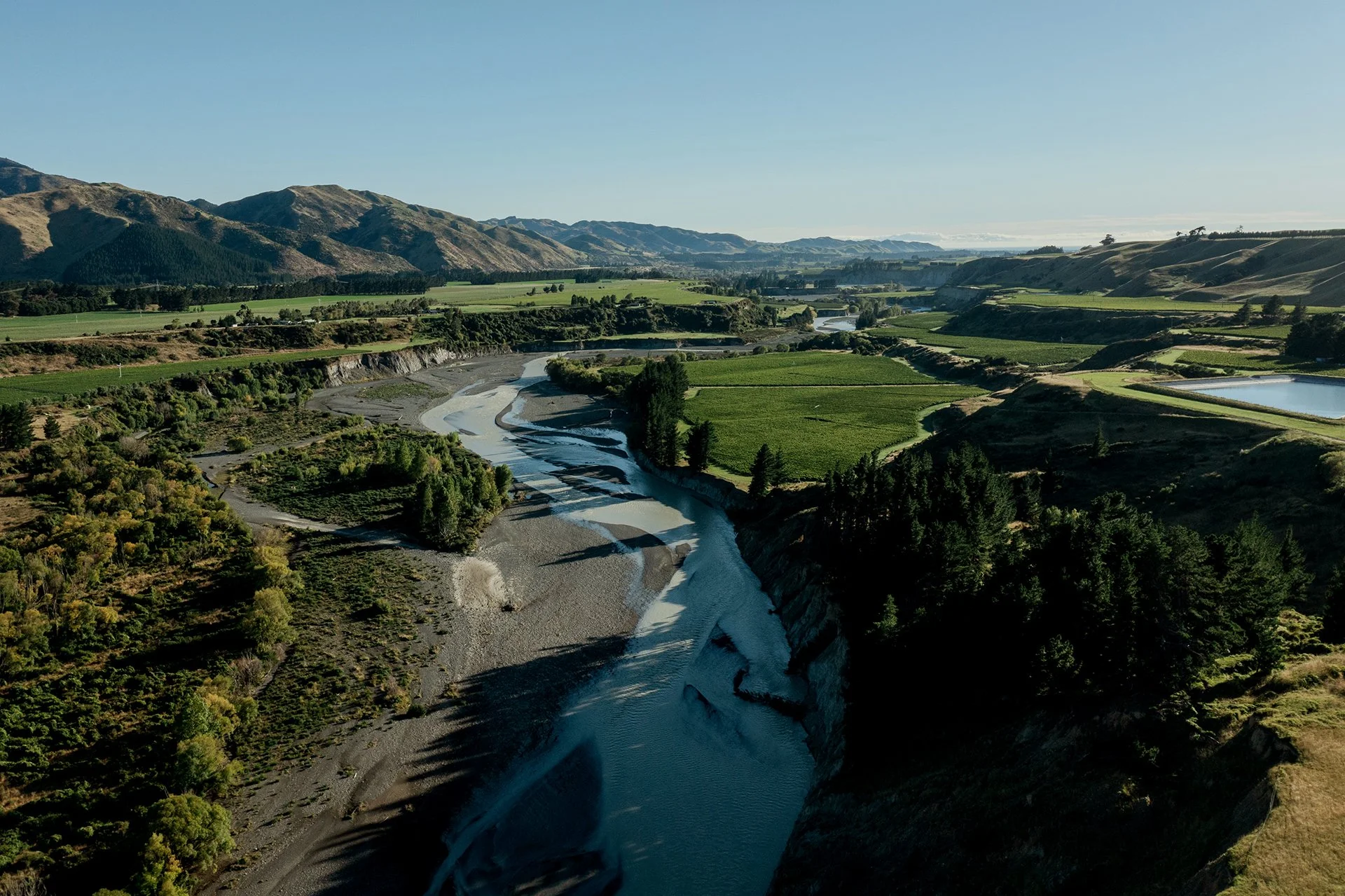
The Awatere River
A Distinct Corner of Marlborough
Marlborough is New Zealand’s largest wine-growing region and is made up of three key sub-regions: the Wairau Valley, the Southern Valleys, and the Awatere Valley. The Awatere River flows through the southernmost of these — a rugged, exposed valley that sits closer to the coast and experiences a markedly different climate from much of Marlborough.
While the Wairau Valley is known for its broader plains and warmer conditions, the Awatere Valley is cooler, drier, and significantly windier. These factors combine to create a growing environment that is more demanding on the vine, but deeply rewarding in the glass.
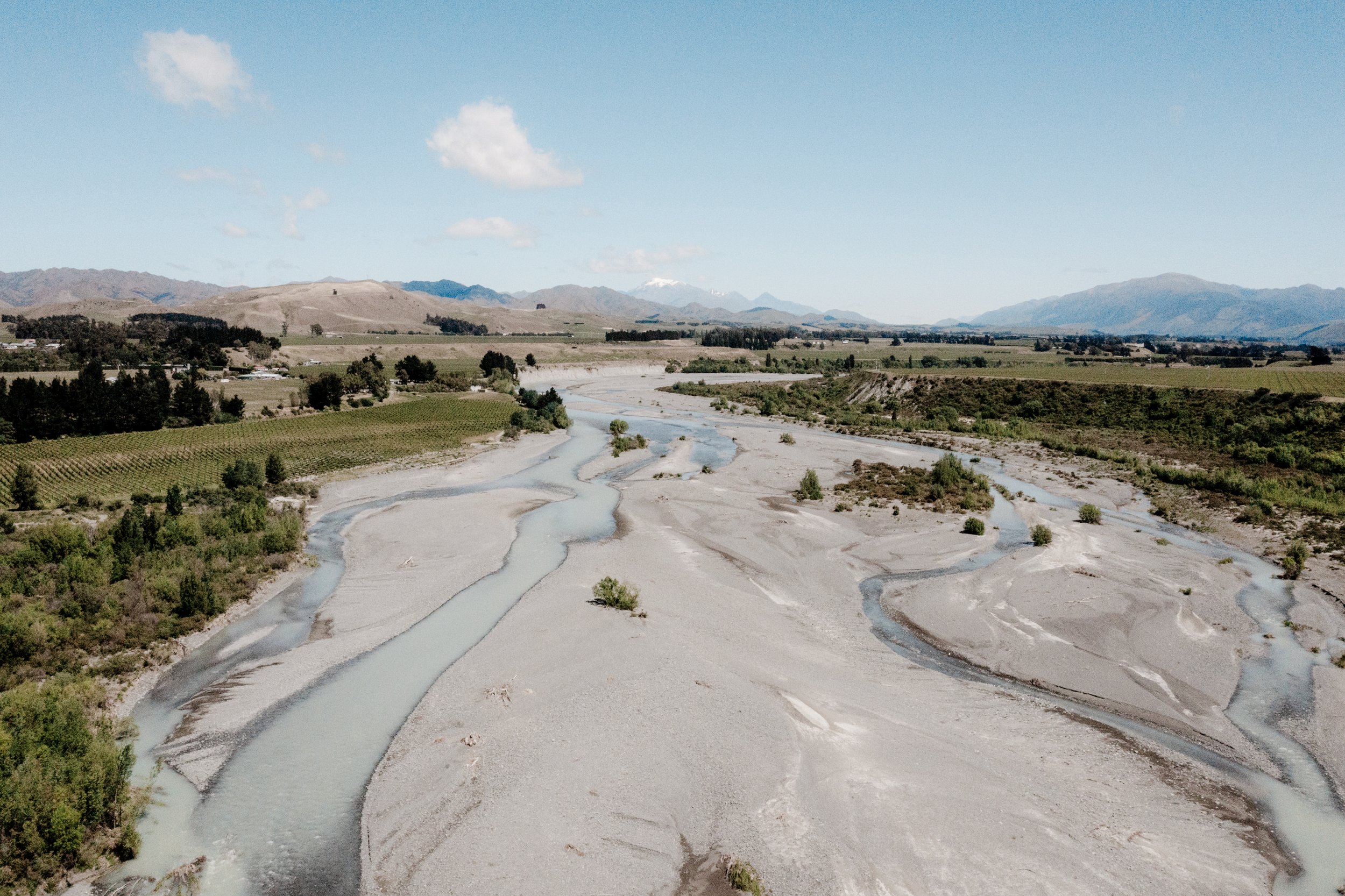
Rising in the Inland Kaikōura Ranges near Mount Tapuae-o-uenuku, and Awatere River
From Mountains to Sea
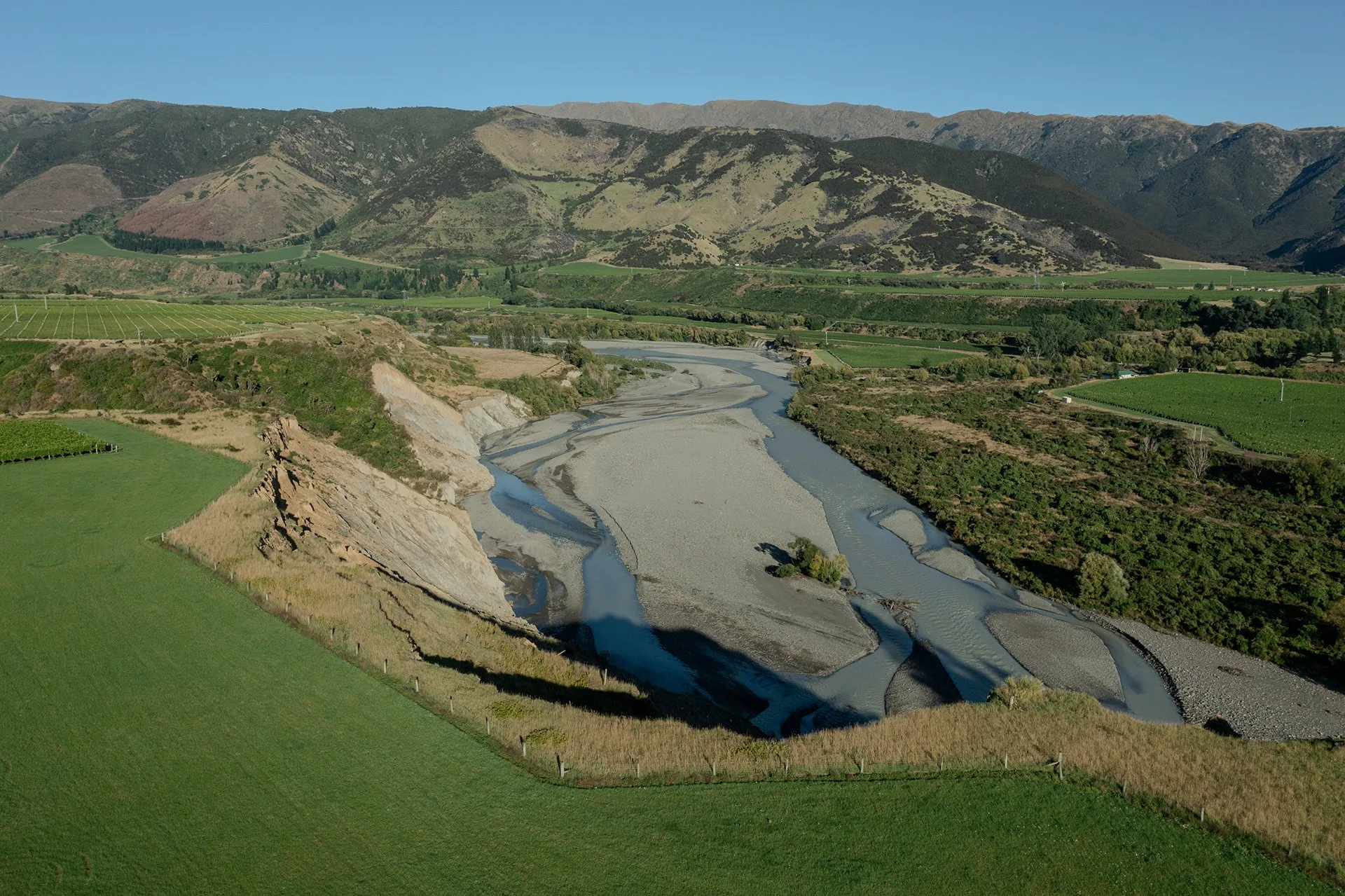
Rising in the Inland Kaikōura Ranges near Mount Tapuae-o-uenuku, the Awatere River travels east toward the Pacific Ocean, cutting through a landscape shaped by ancient geological forces. Over time, the river has deposited layers of alluvial gravels, stones, and sands along its banks — soils that are free-draining, low in fertility, and ideally suited to premium viticulture.
These soils naturally limit vine vigour, encouraging roots to dig deep in search of water and nutrients. The result is smaller berries, lower yields, and greater concentration of flavour — a key foundation of Awatere wine style.
Climate That Shapes Character
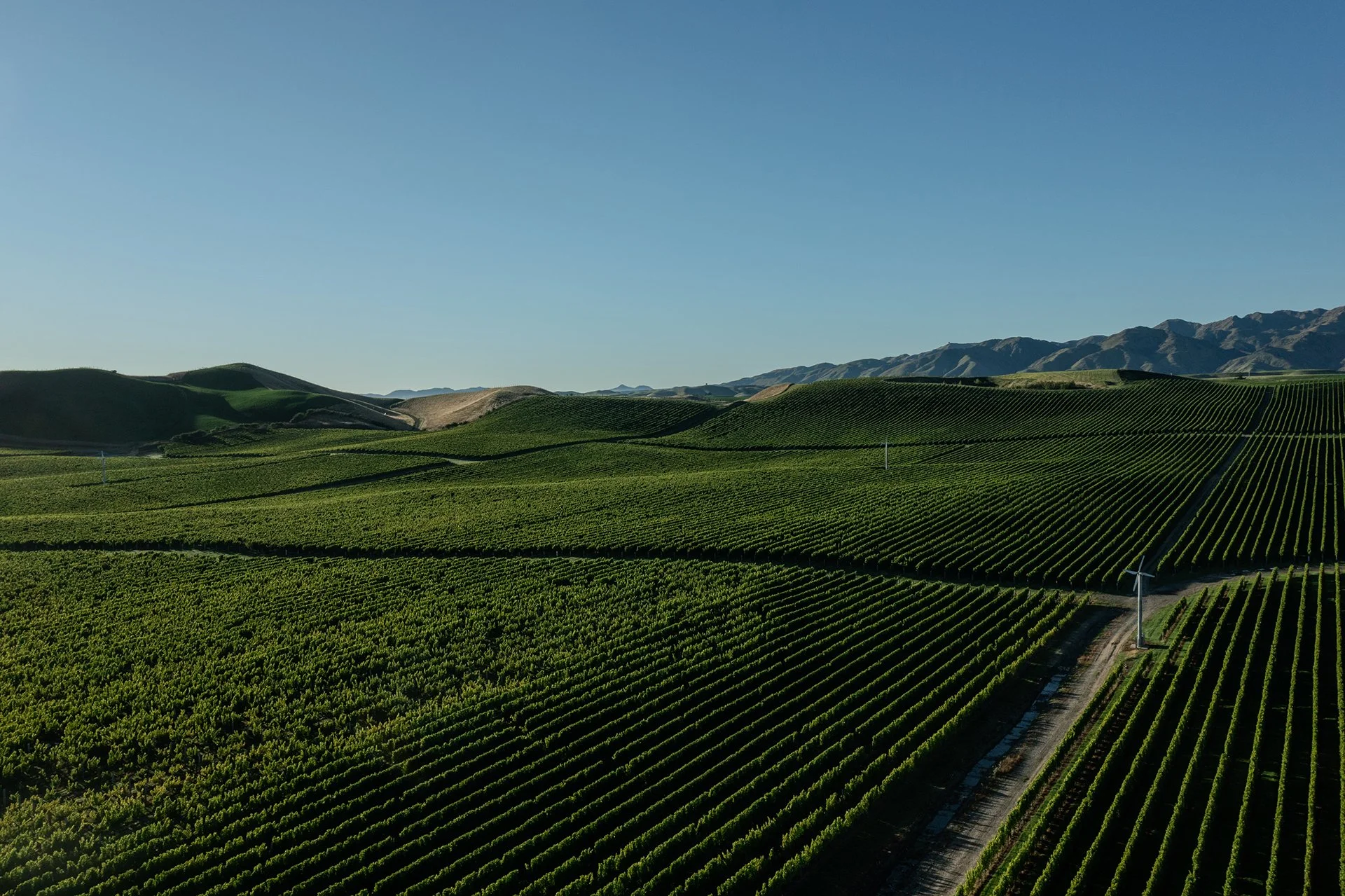
The Awatere Valley’s climate is one of its defining features. Being further south and closer to the coast, the region experiences cooler average temperatures, strong prevailing winds, and lower rainfall than much of Marlborough. These winds reduce disease pressure and further moderate vine growth, while cool nights help preserve natural acidity.
The growing season is longer and slower, allowing flavours to develop gradually rather than rapidly. This extended ripening period is crucial in shaping wines with structure, energy, and clarity rather than overt ripeness.
A Natural Home for Sauvignon Blanc
For Sauvignon Blanc in particular, the Awatere Valley is a natural fit. The combination of cool temperatures, long ripening, and mineral-rich alluvial soils produces wines that are markedly different from other expressions of Marlborough Sauvignon Blanc.
Rather than overt tropical fruit, Awatere Sauvignon Blanc often shows lifted citrus, fresh herbs, saline notes, and a distinct mineral edge. Acidity is bright and linear, giving the wines tension, length, and precision. These qualities have made the valley internationally recognised for a style that is vibrant, focused, and unmistakably site-driven.
More Than a River
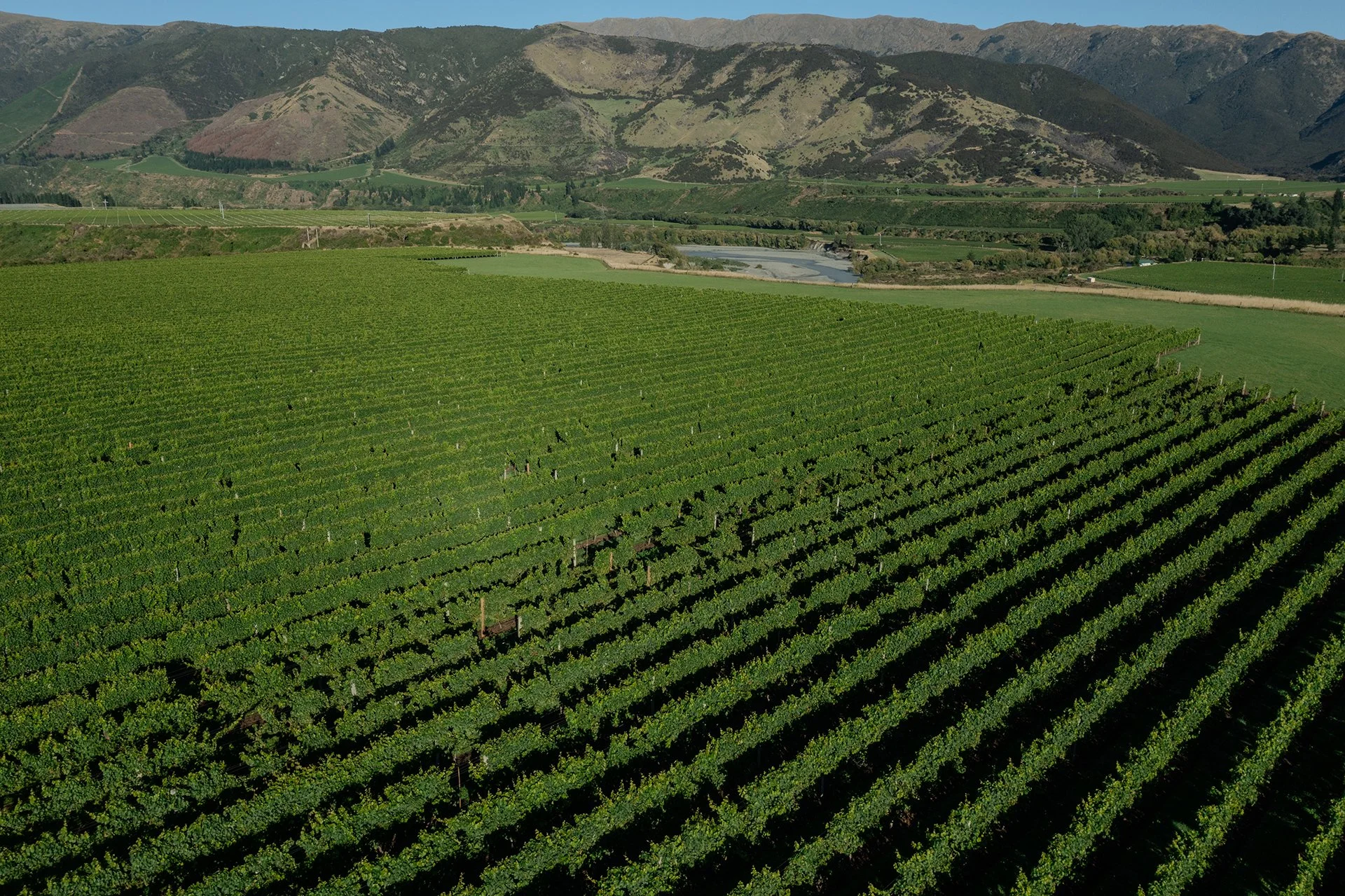
The Awatere River is more than a geographic feature. It is the lifeblood of the valley — shaping soils, influencing microclimates, and quietly guiding each vintage. Its presence is felt in the freshness, structure, and mineral expression that define the wines grown alongside it.
In a region known for Sauvignon Blanc, the Awatere Valley stands apart. It produces wines that are not just expressive of Marlborough, but expressive of a very specific place within it — wines that speak clearly of wind, stone, water, and time.
Awatere Valley vs Wairau Valley — Why They’re Often Confused (and Why They’re Different)
The Awatere Valley and the Wairau Valley are both part of the wider Marlborough region, which is why they’re often grouped together — especially on labels that simply say “Marlborough”. But while they sit relatively close geographically, they behave very differently as growing environments.
The Wairau Valley is broader, warmer, and more sheltered. Its expansive plains and higher rainfall encourage greater vine vigour, often producing Sauvignon Blanc with riper tropical fruit characters and softer acidity. It’s approachable, generous, and immediately expressive.
By contrast, the Awatere Valley is cooler, drier, and far more exposed. Located further south and closer to the coast, it experiences stronger winds, lower rainfall, and a longer, slower ripening period. These conditions naturally reduce yields and slow flavour development, resulting in wines with higher natural acidity, more tension, and a distinctly mineral edge.
People often confuse the two because both regions produce Sauvignon Blanc — but in the glass, the differences are clear. Where Wairau wines tend to lean toward tropical fruit and roundness, Awatere wines are more linear, citrus-driven, and structured. Both are Marlborough, but they speak with very different accents.
What Does “Alluvial” Actually Mean — and Why It Matters for Wine
“Alluvial” refers to soils that have been formed by the movement and deposition of material by water — typically rivers. Over thousands of years, flowing rivers carry rocks, gravel, sand, and silt downstream, depositing them across valley floors and riverbanks.
In the Awatere Valley, the river has created deep layers of alluvial gravels, stones, and sands. These soils are:
Free-draining
Low in natural fertility
High in mineral content
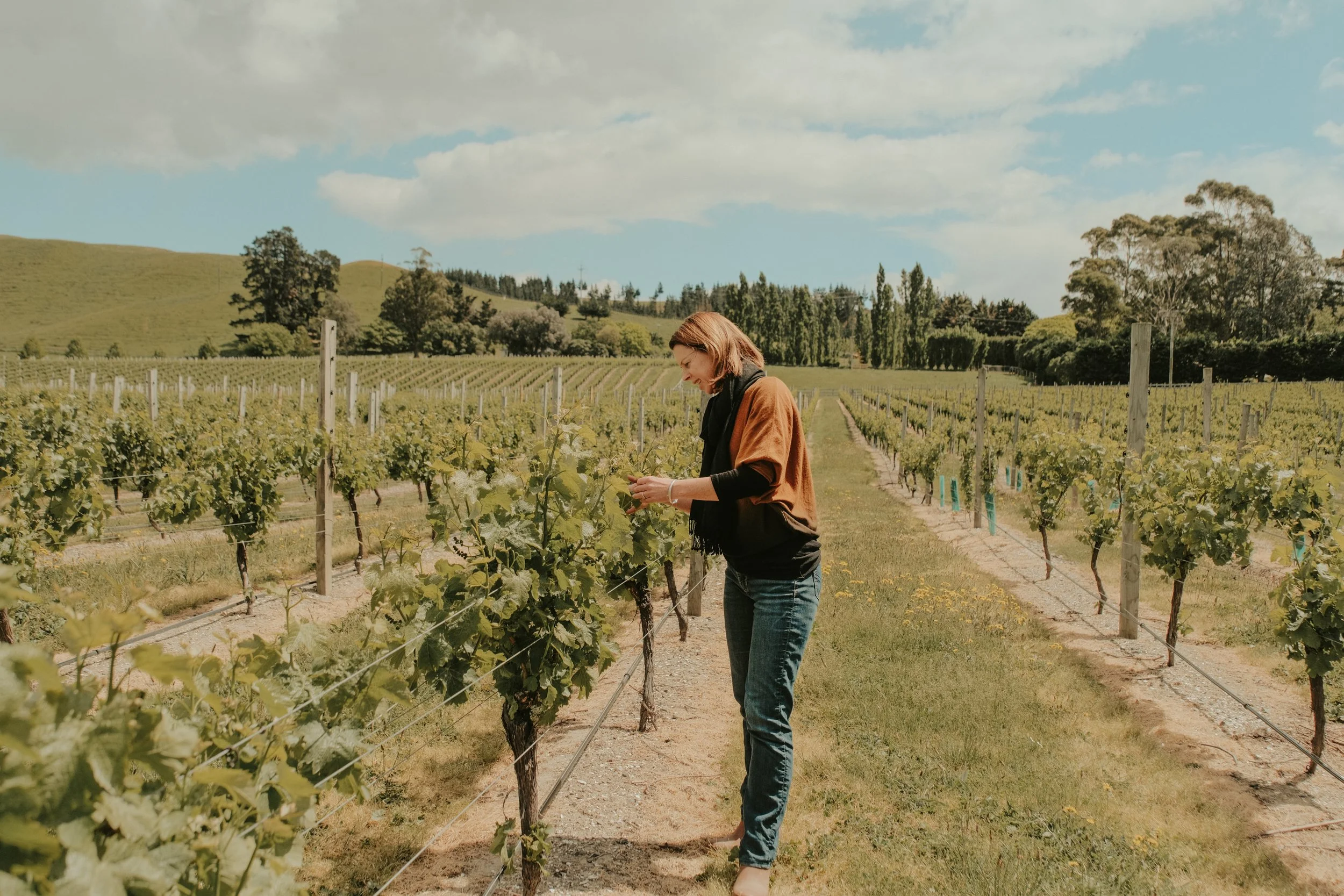
For grapevines, this is ideal. Because water drains quickly through these soils, vines are never overly vigorous. Instead, they are gently stressed, encouraging roots to grow deeper in search of moisture and nutrients. This leads to smaller berries, thicker skins, and more concentrated flavours.
From a wine perspective, alluvial soils are closely associated with:
Mineral tension
Clean, precise fruit expression
Fresh acidity
Length and structure on the palate
In Awatere wines, these soils play a key role in shaping the valley’s hallmark style — wines that feel focused and energetic rather than broad or heavy.
The Role of Wind — One of Awatere’s Defining Forces
Wind is one of the most influential — and often overlooked — factors in the Awatere Valley. Persistent coastal winds sweep through the valley throughout the growing season, shaping both the vine and the fruit.
From a viticultural perspective, wind:
Reduces disease pressure by keeping the canopy dry
Naturally limits vine vigour and leaf growth
Lowers yields without the need for heavy intervention
Perhaps most importantly, wind contributes to thicker grape skins. As vines adapt to constant exposure, they produce berries with more robust skins as a protective response. Thicker skins mean:
Greater flavour concentration
More phenolic structure
Enhanced texture and mouthfeel
Combined with the cool climate, this results in wines that are not just aromatic, but structured — with grip, length, and a savoury edge that sets Awatere apart.
In Sauvignon Blanc, this often translates to lifted citrus and herbal aromatics, saline notes, and a firm acid backbone. In other varietals, it contributes to depth, balance, and age-worthiness.
Why Awatere Works So Well for Varieties Beyond Sauvignon Blanc
While Sauvignon Blanc is the variety most closely associated with the Awatere Valley, the same conditions that define the valley’s signature style also make it well suited to a broader range of grape varieties.
The cool climate, long growing season, and naturally low-vigour soils favour grapes that benefit from slow, even ripening and retained acidity. Rather than pushing fruit toward overt ripeness, Awatere allows varieties to develop flavour gradually, preserving freshness, structure, and balance.
Pinot Gris thrives in this environment, producing wines with lifted pear and apple aromatics, subtle spice, and a firm acid line that keeps the palate focused rather than broad. The valley’s wind exposure and alluvial soils help maintain clarity and texture, avoiding the heaviness that Pinot Gris can develop in warmer sites.
Chardonnay also performs strongly, particularly when grown on stony river flats. Cool nights preserve acidity, while extended hang time allows flavour and texture to build. The result is a style that leans toward citrus, stone fruit, and mineral tension, rather than overt oak-driven richness.
For Pinot Noir, Awatere’s cooler conditions and lower yields support wines with fine tannin structure, savoury detail, and aromatic lift. Thicker grape skins, encouraged by wind and exposure, contribute to depth and complexity while maintaining elegance.
The valley is also well suited to sparkling wine production, where naturally high acidity and moderate alcohol are essential. Base wines from Awatere retain precision and energy, forming a strong foundation for Méthode Traditionnelle styles.
Across all varieties, the common thread is balance. Awatere does not produce wines of excess. Instead, it delivers wines with length, freshness, and a clear sense of place — qualities that translate across varietals and vintages alike.
This versatility is what makes the Awatere Valley more than just a Sauvignon Blanc region. It is a cool-climate growing area capable of producing distinctive, premium wines across a range of styles, each shaped by the same defining forces of wind, stone, water, and time.
Awatere Valley Wine FAQs
-
The Awatere Valley is cooler, drier, and windier than much of Marlborough. Its alluvial soils, strong coastal winds, and long ripening season produce wines with high natural acidity, mineral tension, and distinctive structure.
-
Description text goes hereAwatere Valley wines are typically more linear and mineral-driven, with citrus and herbal notes, while Wairau Valley wines are often riper and more tropical due to warmer, more sheltered conditions.
-
Alluvial soils are formed by river deposits of gravel, stone, sand, and silt. These free-draining soils limit vine vigour, encouraging smaller berries, thicker skins, and greater flavour concentration.
-
The valley’s proximity to the coast and its open, exposed landscape allow prevailing winds to flow through. This reduces disease pressure, lowers yields naturally, and contributes to thicker grape skins and greater structure in the wines.
-
No. While Sauvignon Blanc is the most well-known variety, Awatere Valley also produces high-quality Pinot Gris, Chardonnay, Pinot Noir, and sparkling wines due to its cool climate and retained acidity.
-
Awatere Sauvignon Blanc is known for bright acidity, citrus and herbal aromatics, saline notes, and a mineral, focused palate rather than overt tropical fruit.
-
Yes. The naturally high acidity and structure of Awatere wines give them excellent ageing potential, particularly for Sauvignon Blanc, Chardonnay, and sparkling styles.
Discover Awatere River
The Awatere Valley’s unique climate, soils, and coastal influence shape wines of precision, freshness, and unmistakable character. To explore how these conditions translate into the glass, discover the Awatere River range — premium wines grown on the alluvial river flats of Marlborough’s southernmost valley.
Learn more about Awatere River wines:
🌐 https://www.awatereriver.co.nz
📸 Instagram: @awatereriver
📘 Facebook: /awatereriver